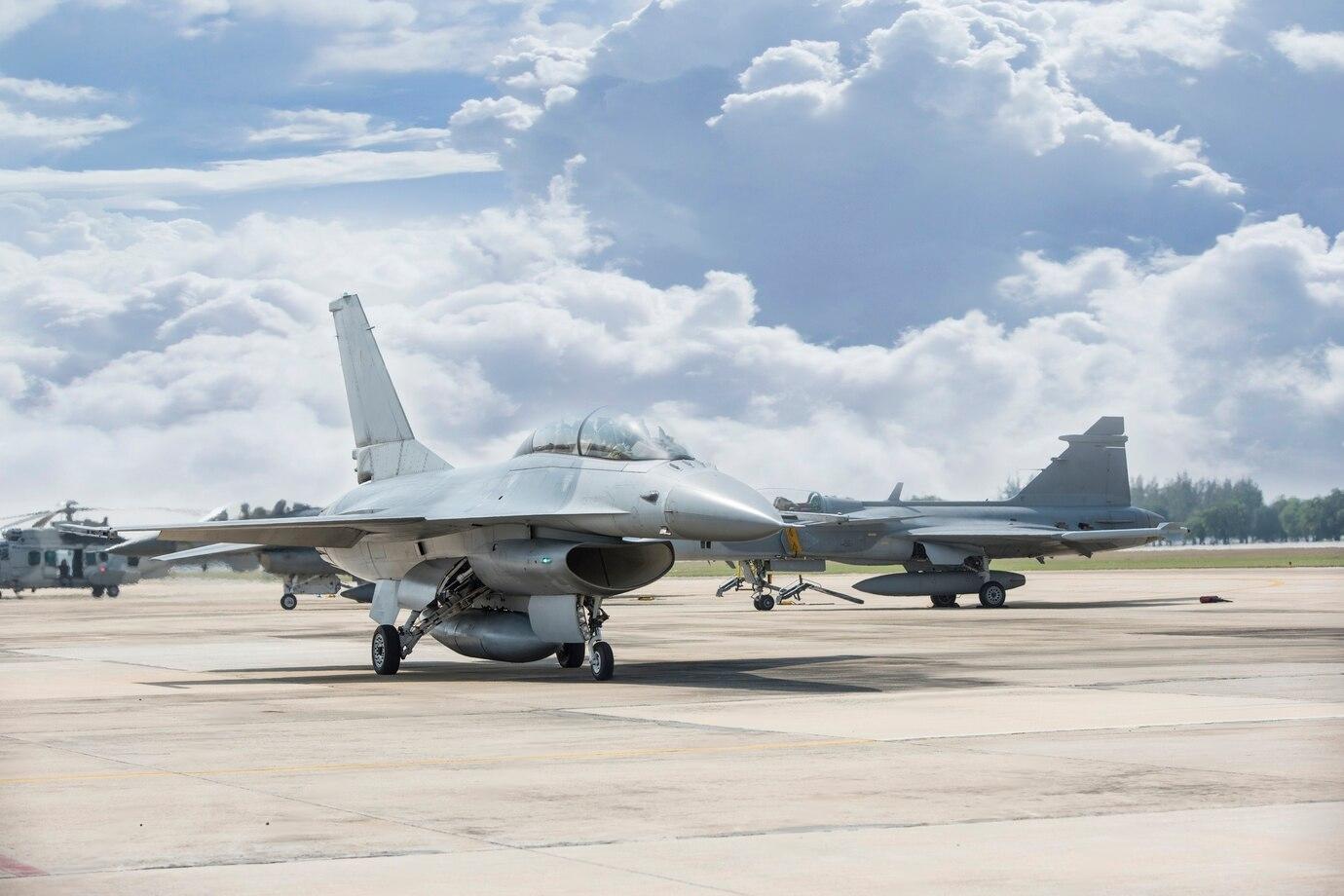
Opportunities For Aerospace and Defense Industries Through FPGA Advancements
Recent advancements in FPGA technology have significantly enhanced their capabilities, making them more indispensable in various industries, particularly in aerospace and defense. One notable development is the integration of System on Chip (SoC) designs that combine FPGA fabric with dedicated processor cores. This integration allows for greater system-level functionality within a single device, streamlining operations and reducing latency, which is crucial for real-time applications. The SoC FPGA devices, for instance, are ideal for space applications where both high processing power and minimal power consumption are needed. They support complex, multiple functionalities in satellites such as payload processing, telemetry, and command handling, all while adhering to the stringent power and space constraints typical of space missions.
Another advancement is the improvement in FPGA programming languages and tools, which has made FPGA development more accessible and reduced the time to market for custom FPGA-based solutions. Enhanced high-level synthesis (HLS) tools now allow engineers to write their FPGA algorithms in higher-level programming languages, such as C++, which are then compiled down to the hardware level, simplifying the design process, and opening up FPGA programming to a wider group of developers.
Newer FPGAs are now featuring more robust security features, such as integrated cryptographic blocks, secure boot, and physical unclonable functions (PUF). These features are critical for military and aerospace applications, where security against cyber threats is a critical concern. With threats evolving rapidly, the ability of FPGAs to integrate secure data handling capabilities directly into the hardware provides an additional layer of security to sensitive military communications and control systems.